Leave Your Message
Let’s be real—finding top-notch spark plugs in today’s competitive market can feel like searching for a needle in a haystack, especially for manufacturers and distributors. Spark plugs are super important for the ignition system of stationary gas engines, and getting them right is key if you want everything to run smoothly. With so many suppliers and products out there, not to mention the specific needs for different engine models like GE Jenbacher, MWM, and CAT, it’s clear that knowing the ins and outs of spark plug sourcing isn’t just helpful; it’s pretty much essential for keeping operations running efficiently and your customers happy.
Here at TECHIE Inc., we’re all about providing a wide range of Ignition System Components for stationary gas engines, and we’ve got over 95% coverage for the major models out there. As a top player in the ignition system game, we totally get that high-quality spark plugs are the backbone of gas engine reliability and longevity. We pride ourselves on being a one-stop shop for gas engine spare parts, so our customers don’t just get great products—they also get expert advice to guide their sourcing decisions. In this blog, we’re diving into some must-know tips for successfully sourcing those high-quality spark plugs, so you can really thrive in this tough marketplace.

When it comes to automotive performance, the importance of quality spark plugs cannot be overstated. Spark plugs play a crucial role in igniting the air-fuel mixture within the engine's cylinders, and their efficiency directly impacts engine performance, fuel economy, and emissions. Choosing high-quality spark plugs ensures reliable ignition, which can enhance acceleration and overall driving experience. Poor-quality spark plugs, on the other hand, can lead to misfires, reduced power output, and increased fuel consumption, ultimately compromising the vehicle's performance. In today's competitive market, sourcing the right spark plugs requires a keen understanding of various factors that contribute to quality. Not only should vehicle owners consider the brand reputation, but they also need to evaluate the specifications that meet their engine's needs. Premium spark plugs typically feature superior materials and advanced design elements, such as a more efficient center electrode, resistive coatings, and improved thermal management. This can result in better ignition efficiency, a longer lifespan, and reduced likelihood of performance issues. Moreover, it's essential to align track record and user reviews when sourcing spark plugs. Engaging with communities of automotive enthusiasts can provide valuable insights into which products stand the test of time under rigorous conditions. By investing time and resources into procuring high-quality spark plugs, vehicle owners can ensure that their engines perform optimally, maintaining both power and efficiency throughout their lifespan.

Alright, so when you're out there trying to find top-notch spark plugs in a pretty competitive market, it's super important to know what key features to keep an eye on. A good spark plug isn’t just about making your engine run smoothly; it also helps with how long it lasts and how efficiently it uses fuel. First up, you really want to think about the material of the electrode. Copper cored spark plugs are great because they offer awesome conductivity and handle heat like a champ. On the other hand, if you go for platinum or iridium plugs, you're looking at durability and better performance. They’ve got those higher melting points and wear resistance, which makes them a solid fit for high-performance engines.
Now, let’s talk about the heat range of your spark plug. This is super important! It defines the temperature where your plug works best, which directly affects ignition quality and how well combustion happens. Picking the right heat range is crucial—go too hot and you might end up with pre-ignition, but if it’s too cold, you could deal with fouling because of unburned fuel. And don't forget to check out the insulator design! A longer insulator can help ward off carbon buildup over time, giving you more consistent performance.
Last but not least, always double-check the manufacturer's specs. Good brands usually have tons of info about their products, like testing standards and whether they’re compatible with different engine types. And hey, taking a peek at customer reviews can really give you a feel for how those plugs perform out in the wild. By zeroing in on these key features, you'll be making smart choices when you source spark plugs that fit your engine’s needs and amp up its performance.
If you’re on the hunt for top-notch spark plugs, you really should look into the reputations of some leading brands. You know, a company’s track record in the automotive world often says a lot about how committed they are to making quality stuff. Brands that have been around for a while usually have their products thoroughly tested and fine-tuned for different types of engines. A little digging into these companies can reveal quite a bit about how they make their products, the tech upgrades they’ve got going on, and just how reliable they really are.
And let’s not forget about customer feedback—it’s super important for getting a feel for how spark plugs actually perform out there in the real world. Scrolling through reviews on car forums, social media, or even shopping sites can provide some great insights into user experiences. Keep an eye out for trends in the feedback, like people raving about longevity or saying they noticed a boost in performance right after they installed them. Plus, comments about how easy they were to put in and whether they fit different makes and models can really affect how satisfied you end up being.
On top of all that, checking out warranty info can give you a glimpse into how much a brand believes in their spark plugs. Brands that offer solid warranties are generally more confident about their product quality, so they’re likely to provide spark plugs that can stand up to what you throw at them. So yeah, mixing brand reputation with customer insights in your search will definitely help you make smarter choices, ensuring you pick spark plugs that not only improve engine performance but also boost reliability.
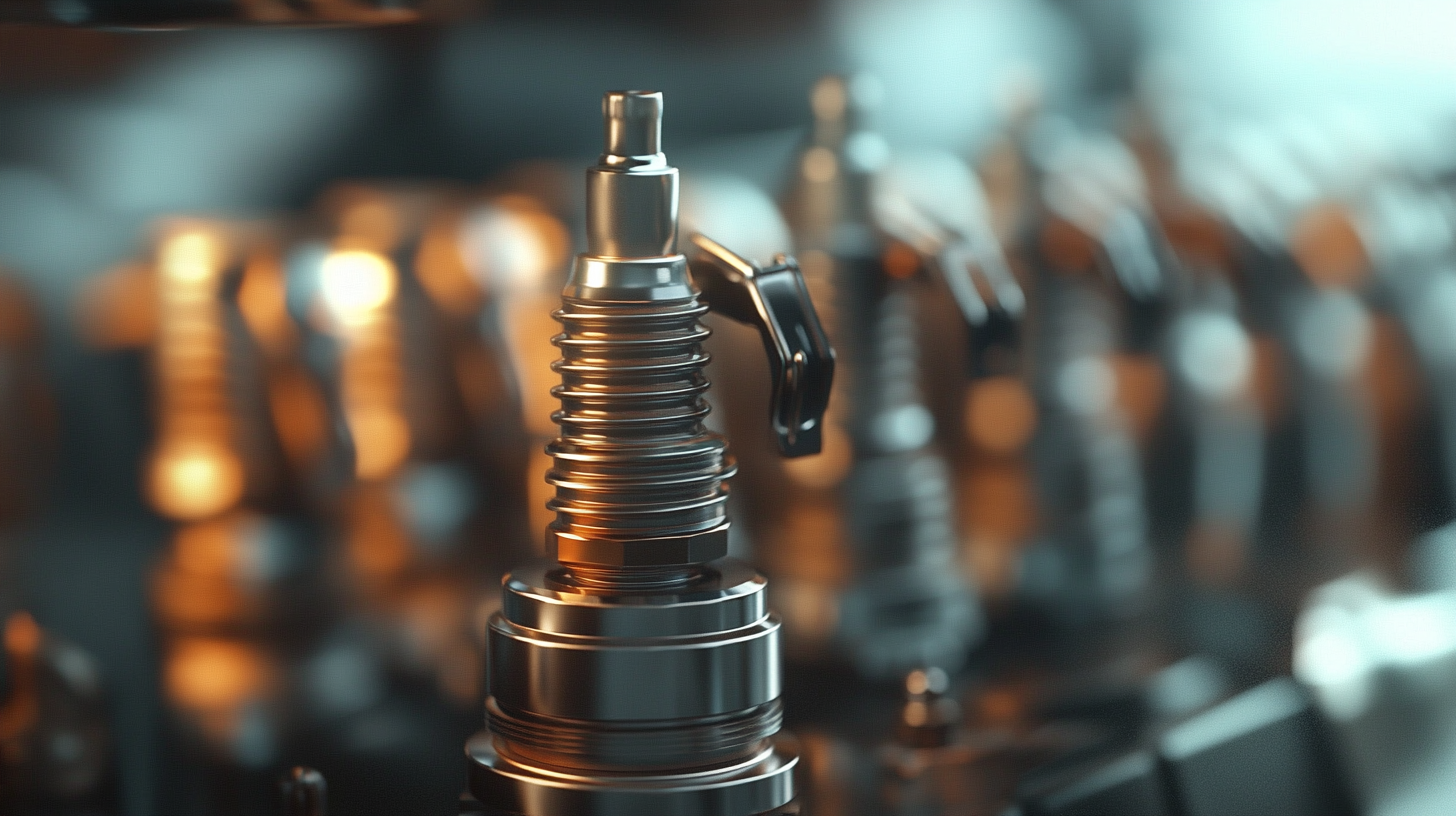
So, when we talk about finding high-quality spark plugs, it really boils down to what they're made of. The materials used can have a huge impact on how well they perform and how long they last. Thanks to some cool advances in material science, we now have all sorts of metals and ceramics that really boost a spark plug's effectiveness. Take iridium cores, for instance—they ignite fuel better across a wider temperature range, which means your engine runs smoother and uses fuel more efficiently. Knowing what these materials are made of is key when you're picking spark plugs. You want ones that not only spark the fuel just right but can also handle those crazy hot and intense conditions inside the combustion chamber.
In a market as competitive as this, it’s super important to know how different materials can impact performance and durability. We're seeing a big shift towards high-performance materials like technical ceramics and advanced metals, and it's really shaking things up in spark plug manufacturing. These materials are designed to stand up to wear and tear, cut down on emissions, and improve how heat is transferred—definitely making engines run better. Plus, as discussions around fuel types get more complex—especially with all the focus on octane ratings and cleaner burning—understanding Spark Plug Materials becomes even more crucial. Picking the right spark plug can seriously boost your vehicle's performance, especially now that engines are built to work with these newer, more advanced fuel types.
You know, in today’s crazy competitive market, finding high-quality spark plugs isn’t just a walk in the park—it’s a real challenge influenced by the latest market trends. The automotive world is constantly changing, and it’s super important for manufacturers and suppliers to keep up with the ever-shifting demands and pricing. Lots of brands are aiming to keep their quality up, but with all the competition out there, it can be tempting to cut corners. So it’s essential for buyers to tread carefully through all these complexities.
When it comes to pricing, the influence of competition sticks out like a sore thumb. With so many companies fighting for your attention, spark plug prices can swing all over the place. Buyers often find themselves caught between sticking with trusted names or going for those new brands that promise lower prices. But, hey, those lower prices can sometimes come with a catch that affects quality. So, it’s super important for consumers to look beyond just the price tag and think about the long-term value their spark plugs can bring.
And let’s not forget—spark plug quality really hinges on what’s hot in technology and innovation right now. As manufacturers dive into research and development to whip up more efficient and long-lasting products, being in the loop about these advancements can genuinely give buyers an edge. Keeping an eye on industry innovations means that consumers can make smarter choices, ensuring they grab spark plugs that not only fit their immediate needs but also bump up the performance and lifespan of their vehicles.
When you're on the hunt for top-notch spark plugs in such a competitive market, it's super important to build solid relationships with your suppliers. You really can’t underestimate how crucial effective communication is in this whole process. Make sure to chat with potential suppliers about what you need, the quality you expect, and any other requirements you might have. Keeping those lines of communication open doesn’t just help clarify your needs; it also builds trust, which is vital for ensuring a steady supply and keeping quality in check.
Now, let’s not forget—doing a thorough background check on these suppliers can really up your game when it comes to reliability. Check out their certifications, take a close look at their production processes, and don’t skip the customer feedback. By digging into their capabilities and track record, you can figure out if they meet your quality standards. And hey, if you get the chance, visiting their facilities can be a game changer! Seeing their operations up close gives you awesome insights and can really help strengthen your partnership.
Building long-lasting relationships with suppliers is also about teamwork. Why not get them involved in your product development? This way, they can better grasp what you’re trying to achieve and get creative with their solutions. It’s a win-win—this collaboration can lead to better quality and more competitive prices. So, in the end, having a reliable supplier network is definitely a strategic edge that can elevate your product offerings and give you a nice boost in the ever-changing spark plug industry.
When it comes to picking out high-quality spark plugs, one of the biggest things to keep in mind is the whole testing and certification process. You know, the automotive world is pretty much under tight regulations to make sure everything's safe and works like it should. So, it’s super important for manufacturers to comply with these rules—not just to dodge legal trouble, but also to keep their reputation solid in a really competitive market. Testing is key here; it shows how well the spark plugs perform and how reliable they are, making sure they meet the standards that both consumers and regulatory folks expect.
And hey, certifications from well-known organizations? They really matter! They not only confirm the quality of the spark plugs, but they also give a nice little reassurance to customers. So, definitely keep an eye out for spark plugs that have certifications from trusted names like ASTM International or SAE International. Those golden stamps mean the products have gone through some serious testing, checking things like thermal performance, wear resistance, and overall durability. When businesses choose certified spark plugs, they’re not just selling; they’re building trust with their customers, which can really boost their reputation in the market.
Also, it’s super important to stay updated on industry standards. Automotive tech is always changing, and so are the testing methods and criteria that these governing bodies put out. If manufacturers and suppliers keep their finger on the pulse of these changes, they can tweak their sourcing strategies to match. In a market that’s as cutthroat as this one, being ahead of the game with compliance can really set a brand apart and pave the way for ongoing success.
Navigating the competitive world of sourcing high-quality spark plugs can be quite a challenge, but getting your bulk purchasing and inventory management strategies right is key to making it work. So, where do you start? The first step is finding reliable suppliers. Nowadays, you really can take advantage of both local and international suppliers who can offer bulk purchasing options. There are some great platforms out there that rank global dropshipping suppliers, which can be super helpful in finding trustworthy companies that fit your needs.
Now, let’s talk inventory management—it’s pretty crucial. Implementing just-in-time (JIT) practices can actually help cut down on waste and keep holding costs low. This way, you’ll always have those high-quality spark plugs ready to go when demand spikes. Using tech like inventory management software can make this process so much easier, giving you real-time updates on stock levels and helping you forecast better.
And here’s a little tip: chatting with suppliers who really get the market trends can give you some great insights into the best times to buy. This means you can make strategic bulk buys and score lower prices. Plus, building those long-term relationships with your suppliers? That’s essential for staying ahead in a market that's always changing.
High-quality spark plugs are commonly made from materials like copper, platinum, and iridium. Copper cored plugs offer excellent conductivity and heat transfer, while platinum and iridium plugs provide durability and enhanced performance due to their higher melting points and resistance to wear.
The heat range of a spark plug determines the temperature at which it operates effectively, influencing ignition quality and combustion efficiency. Choosing the correct heat range is vital; too hot can cause pre-ignition, while too cold can lead to fouling from unburned fuel.
The design of the insulator is crucial as a longer insulator can improve resistance to carbon buildup, thereby ensuring consistent spark plug performance over time.
You can verify the quality of a spark plug manufacturer by checking their specifications, certifications, production processes, and customer feedback. Reading detailed information and reviews can provide insight into their reliability and product performance.
To establish reliable supplier relationships, engage in effective communication about your needs and expectations, perform thorough background checks on suppliers, and consider visiting their facilities to gain insights into their operations.
Testing and certification are important as they ensure compliance with strict automotive industry standards, validate the product’s quality, and provide assurance to users about performance and reliability. Certified spark plugs enhance market reputation and customer trust.
Certifications for spark plugs can be obtained from recognized organizations such as ASTM International and SAE International. These certifications indicate that the products have undergone rigorous testing for various performance characteristics.
Staying updated on industry standards allows manufacturers and suppliers to adapt their sourcing strategies to comply with the latest regulations and practices, differentiating their brand and promoting sustained success in a competitive market.